
Description
Petroleum pipe thread gage product introduction and use of maintenance
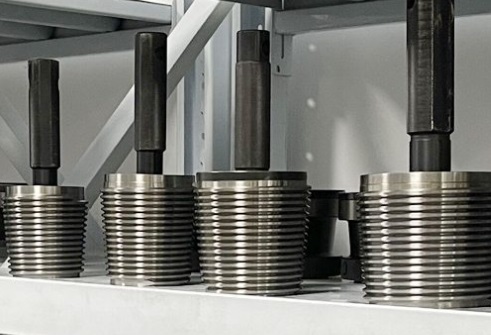
API thread gauges as a gauge with the versatility of gauges is a Measurement method to obtain accurate results. Unlike the universal measuring tool, the oil pipe thread gauges with taper indirectly reflect the base level pitch diameter of the thread to the axial direction and realize the measurement process through the standoff value. The process of testing products with oil pipe thread gauges is also a comprehensive test of the rationality of the cumulative error of every single parameter of the product thread (pitch, taper, flank angle, and pitch diameter gauge point), which is a measurement process that cannot be replaced by simple pitch diameter test. Therefore, the correct use, maintenance, and repair of oil pipe thread gauges are particularly important.
The relevant value recognition of petroleum pipe thread gauges
To learn to use a set of qualified thread work gauges, we must first use standoff data provided by the gauges reasonably and correctly and check whether the gauges have calibration certificates or quality certificates, check the standoff values in the calibration certificates of the gauges to find out which data are related to the inspection products and whether these data meet the requirements of API SPEC 5B and API SPEC 7-2 specifications. Only these standoff values that meet the requirements of API SPEC specifications can be used. These data are used as follows:
Workplace use of gauges
The gauge must be cleaned with 120# gasoline and visually inspected for bruises, burrs, or other foreign matters on the threaded surface before use. It should be ensured that the thread surface is clean and free of foreign matter before the gauge is used.
When using a plug gauge or ring gauge in the process of thread turning, the gauge should be slowly rotated in by hand, and when the gauge is rotated close to the base surface, it should be returned a few turns to make sure that the rotation is in a normal state before tightening. Do not rotate and withdraw quickly to avoid the second surface bruising caused by the gap change.
Maintenance and storage of petroleum pipe thread gauges
Separate storage, dedicated management, and the establishment of a ledger system. Gauges need to be placed in sets of single pieces, available gauges shelves.
The gauges should be returned to the relevant storage department as soon as possible after use, and the functional department should clean and oil the gauges returned after use and store them as required. Avoid the gauges used in the field being left in the workshop for a long time.
Clean the gauge with 120# gasoline and coat it with enough anti-rust oil for storage, the storage place requires a temperature of 20°±1, and the room should ensure ventilation and dryness.
Newly purchased gauges need to be unpacked and re-cleaned and oiled for maintenance every six months.
The calibration technician should inspect the gauge in use from time to time to remove surface rust spots, and thread surface foreign matter (such as bruises burrs, scratches, etc.). Ensure that the gauge is in a good condition. The gauger shall establish and manage a standing book to record the product information, wear information, calibration information, and pick-up information of the gauges. The gauger shall regularly check the stored gauges to ensure the reliability of their use, and periodically submit them to the measurement department for calibration according to API standards.